Planning more sustainable stays

17 ways to schedule sustainable stays in Nouvelle-Aquitaine

Nouvelle-Aquitaine provides travel professionals with 17 practical guidelines to integrate sustainable tourism principles into the design of their stays. Transport, environment, local development, inclusion and communication are all key levers to structure responsible stays aligned with market expectations.
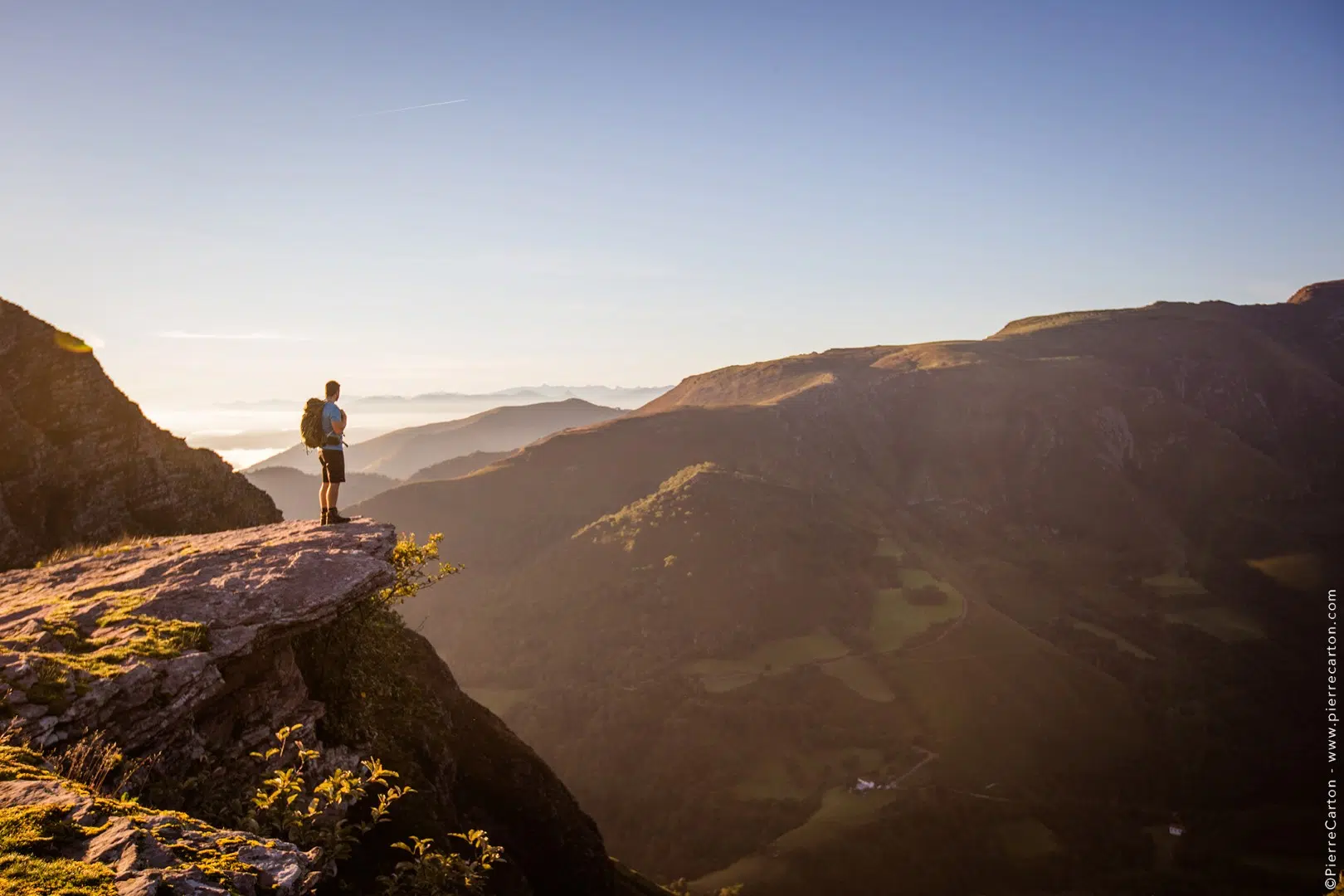
©OT Cambo les Bains - CRTNA

CUTTING TRANSPORT EMISSIONS – TOURISM’S PRIMARY CONTRIBUTOR TO GREENHOUSE GASES

  1. 1. Choose low-carbon transport methods (train, public transport, bike/e-bike, walking, electric vehicles etc.) to reach NouvelleAquitaine or visit any destination during the stay (calculate your carbon footprint on impactco2.fr/outils/transport).
  2. 2. Make the most of the region’s fantastic public transport system (train and bus) using the website transports.nouvelle-aquitaine.fr/modalis.
  3. 3. If customers need to hire a car as part of their stay, always suggest an electric vehicle and point out EV chargers along the way (use the Chargemap to help). Pre-book EV chargers for customers with accommodation providers where possible.

©Gare de Sarlat chemin d’Amadour / M. Audouard / CRTNA

©Gueret / CRTNA – FEDER

ENVIRONMENTAL PROTECTION

  1. 4. When selecting accommodation, restaurants, visitor sites, or leisure providers, consider not only their prices and services but also their commitment to sustainable tourism. To support your choices, the Nouvelle-Aquitaine Tourism Board provides a curated list of recognised labels and certifications.
  2. 5. Provide customers with options that are off the beaten track, especially during high season, so they can explore quieter areas/sites and get a sense of exclusivity.
  3. 6. Prioritise smaller groups (up to 15 people) to encourage them to mingle with locals, reduce disruption and/or protect nature sites.
  4. 7. Review French legislation and follow the rules when you schedule trips to environmentally-sensitive nature areas (e.g. regional nature parks). Always address the environment during visitor experiences (e.g. an alternative tour by a local figure exploring management and protection challenges).
  5. 8. Provide customers with carbon offset projects, e.g. reforestation in France or abroad based on their carbon footprint for the entire stay. Consider these projects as a way to do your bit to reduce the impact of a stay rather than completely offsetting the stay’s carbon footprint on their own.

LOCAL DEVELOPMENT

  1. 9. Give your customers the chance to promote and protect
    local cultural and natural heritage by including experiences
    with locals
    or positive impact activities (e.g. litter collection, awareness of environmental issues, woofing etc.) during their stay.
  2. 10. Prioritise the local workforce and service providers. Use fair pricing to cover all production, operation and environmental costs to ensure service providers are paid fairly.
  3. 11. Apply the principles of sustainable purchasing with meals made using regional produce. During shopping trips, promote local crafts to encourage quality, traceability and boost the local economy.

©Villeréal / Teddy Verneuil Lezbroz

©Tourisme et handicap au Marais d’Hourtin / D. Remazeilles / Gironde Tourisme

INCLUSION AND ACCESSIBILITY

  1. 12. Focus on providing stays that are accessible and consider digital resources (websites, roadbooks etc.) to ensure they are suitable for visitors with any kind of disability. Choose inclusive
    accommodation and service providers recognised by the French Tourisme & Handicap brand.
  2. 13. Ensure that all promotional tools (editorial content, visuals, and other communication materials) are inclusive and accurately represent diversity in both imagery and messaging.

COMMUNICATION AND TRANSPARENCY

  1. 14. Be transparent with customers by measuring the carbon footprint of their stay and communicating it in your promotional and marketing materials. Help them offset this impact by offering appropriate recommendations, such as choosing low-carbon transport options or supporting sustainable local businesses.
  2. 15. Always indicate any labels and certifications for tourism businesses at each stage of the itinerary.
  3. 16. In terms of promotion, always provide customers with full information about their stay’s carbon footprint to avoid any greenwashing. Use a sustainable promotion/marketing strategy: visitor awareness, digital sobriety, responsible tools (e.g. open-source software) etc.
  4. 17. Add a specific section about sustainable tourism and green transport to your post-stay customer satisfaction surveys as part of your continual improvement process.

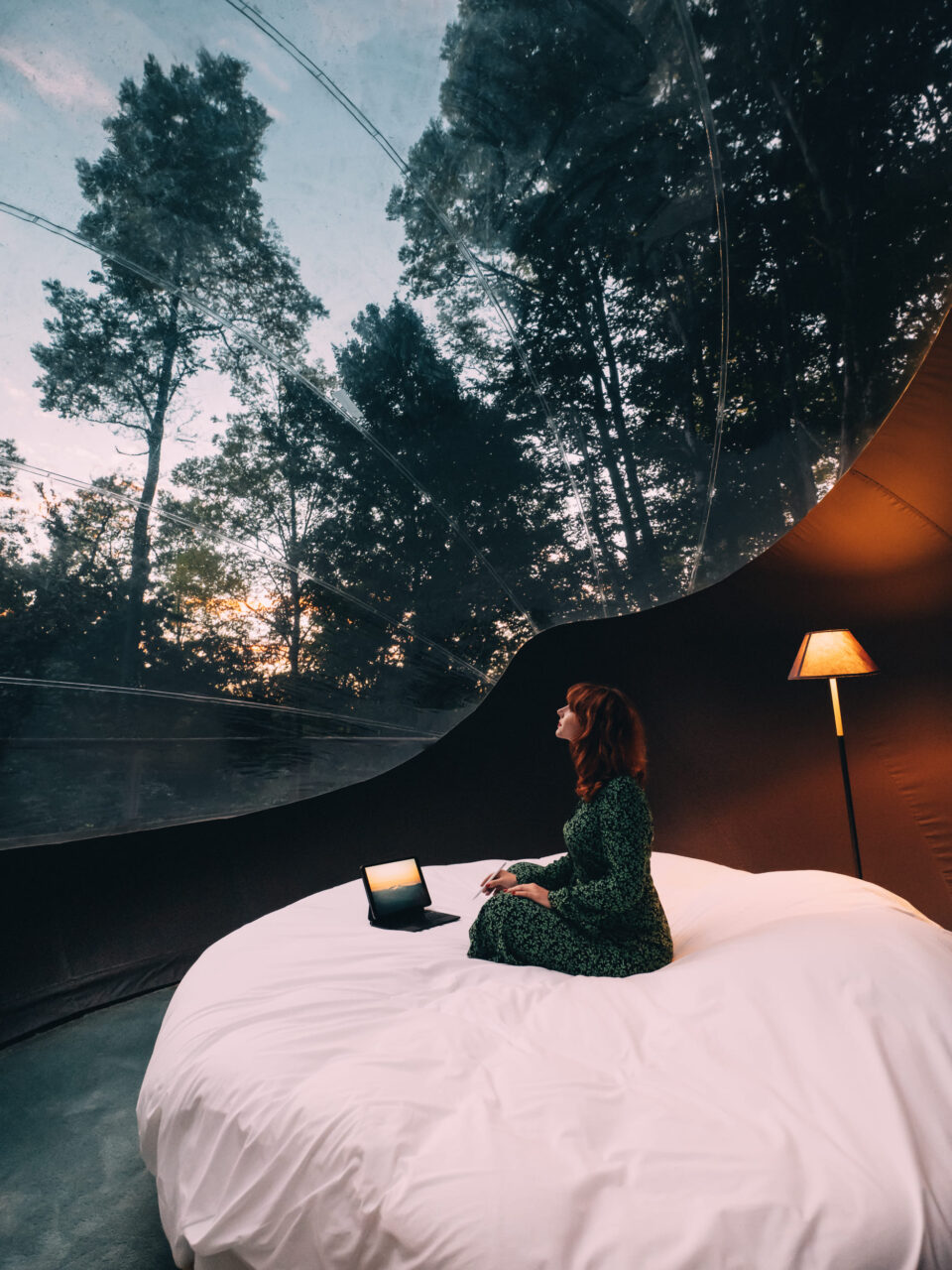
©Bulles de Chrysalide Saint-Martin / Erea Azurmendi Garcia – CRTNA

you might also be interested

there are so many things to see in Nouvelle-Aquitaine

Discover more of what Nouvelle-Aquitaine has to offer.
The region reveals a wide range of destinations, experiences and itineraries to further enrich your programmes.